As geopolitical tensions continue to intensify across the Middle East, concerns over crude oil supply disruptions, rising inflation, shipping bottlenecks, and global economic uncertainty are rapidly mounting. For India, which imports nearly 85 percent of its crude oil requirements and depends heavily on the Gulf region for energy, fertilisers, and trade, the ongoing crisis presents a serious economic challenge. In such an environment, Prime Minister Narendra Modi urged citizen to consider launching a nationwide economic resilience campaign focused on conservation, self-reliance, and prudent consumption.
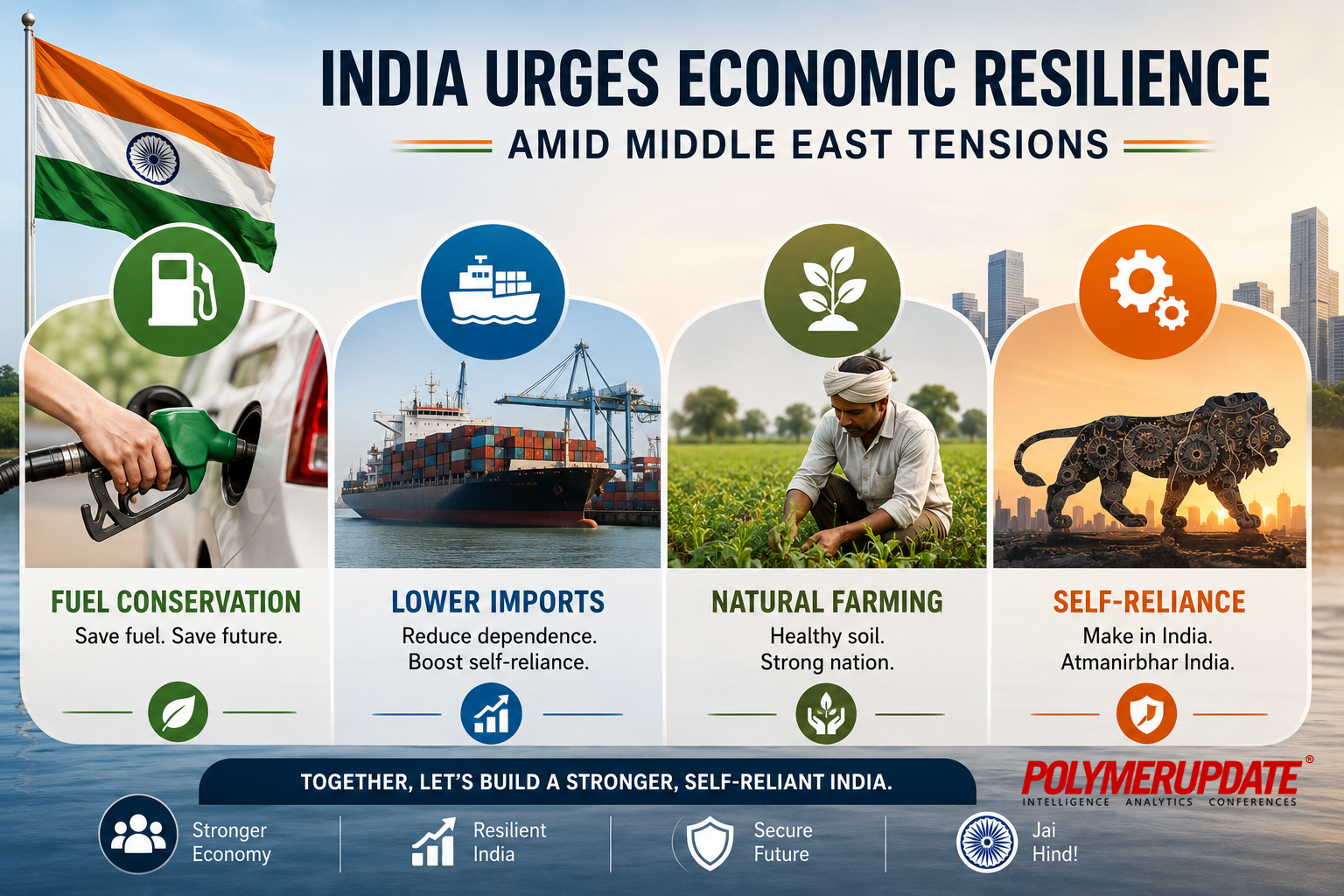
Much like earlier periods of global uncertainty when nations adopted temporary austerity measures to protect economic stability, India too may need a collective national effort to minimise external vulnerabilities and preserve macroeconomic balance. A strategic appeal from the Prime Minister urging citizens to avoid non-essential gold purchases for one year, reduce fuel consumption, prioritise public transport, minimise foreign travel, adopt work-from-home practices wherever feasible, reduce edible oil consumption, and shift toward natural farming could significantly help India cushion the impact of the Middle East crisis while generating long-term structural benefits for the economy.
 Reducing gold imports could protect the rupee
India remains one of the world’s largest consumers of gold, importing hundreds of tonnes annually. During periods of geopolitical uncertainty, gold prices often surge sharply as investors seek safe-haven assets, resulting in a substantial increase in India’s import bill and pressure on the rupee.
A temporary nationwide appeal to defer discretionary gold purchases for a year could help reduce unnecessary outflows of foreign exchange. Lower gold imports would ease pressure on the current account deficit, strengthen currency stability, and allow foreign reserves to be utilised more effectively toward critical energy imports and infrastructure needs. Beyond macroeconomic benefits, such a move could also redirect household savings toward productive financial instruments, manufacturing, infrastructure investment, and domestic capital markets.
Work from home and public transportThe ongoing Middle East crisis has once again highlighted India’s vulnerability to crude oil price spikes. Any prolonged disruption around the Strait of Hormuz could sharply elevate petrol and diesel prices, increase transportation costs, and feed inflation across sectors.
Encouraging companies to prioritise work-from-home arrangements wherever operationally feasible could substantially reduce urban fuel consumption. Fewer vehicles on roads would not only lower India’s oil demand but also reduce traffic congestion and urban pollution.
Similarly, a broader push toward metro rail systems, electric buses, and public transportation could generate immediate savings in imported fuel consumption. Citizens opting for metro services instead of private vehicles would collectively contribute to lowering the national energy burden while simultaneously improving urban air quality and reducing greenhouse gas emissions.
Limiting non-essential foreign travelInternational travel contributes significantly to foreign exchange outflows through spending on aviation fuel, hotels, tourism, and overseas consumption. During periods of external economic stress, reducing non-essential foreign travel can help conserve valuable foreign currency reserves.
A temporary appeal encouraging citizens and corporates to postpone discretionary overseas trips for one year could support India’s external balance while simultaneously boosting domestic tourism, hospitality, and regional economies. Increased domestic travel spending would help circulate capital within the country rather than exporting consumption abroad.
Reducing cooking oil consumptionIndia imports a substantial portion of its edible oil requirements, making the country vulnerable to global commodity volatility and supply disruptions. The Middle East crisis, coupled with rising freight and energy costs, could further elevate edible oil prices.
A national awareness campaign promoting healthier and moderate cooking oil consumption could help reduce import dependency while also generating long-term public health benefits. Lower edible oil consumption could reduce risks associated with obesity, cardiovascular diseases, and lifestyle-related health conditions while easing pressure on the import bill.
Natural farmingOne of the most critical yet often overlooked vulnerabilities for India lies in its dependence on imported fertilisers and energy-intensive agricultural inputs. Rising natural gas prices resulting from Middle East instability could significantly increase fertiliser costs and subsidy burdens for the government.
Prime Minister Narendra Modi has already advocated natural farming and sustainable agriculture in recent years. Accelerating the transition toward organic and low-chemical-input farming could reduce India’s dependence on imported fertilisers while improving soil health, water conservation, and long-term agricultural sustainability. Natural farming practices may also help reduce subsidy pressures on the government and create premium export opportunities for residue-free agricultural products in global markets.
Collective responsibilityIndia’s strength during periods of crisis has historically emerged from collective public participation. The Middle East conflict is not merely a distant geopolitical issue; it has direct implications for fuel prices, inflation, trade balances, food costs, and household expenses within India.
A nationwide call for temporary economic discipline would not necessarily represent austerity, but rather strategic resilience. Small behavioural changes adopted collectively by over 1.4 billion citizens could generate enormous macroeconomic savings, reduce import dependence, and strengthen India’s economic stability during a volatile global period.
ConclusionThe ongoing Middle East crisis has underscored the urgent need for India to strengthen economic self-reliance and reduce vulnerabilities arising from excessive import dependence. Temporary lifestyle adjustments such as reducing gold purchases, limiting fuel usage, using public transport, avoiding non-essential foreign travel, moderating edible oil consumption, and embracing natural farming could collectively deliver substantial economic and environmental gains.
If led through a strong national appeal by Prime Minister Narendra Modi, such measures could evolve into a broader movement of responsible consumption and strategic nation-building. Beyond helping India navigate the present geopolitical turbulence, these steps may ultimately lay the foundation for a more sustainable, resilient, and self-reliant economy in the years ahead.
DILIP KUMAR JHA
Editor
dilip.jha@polymerupdate.com



