The 21-hour-long negotiations between the United States and Iran in Islamabad, Pakistan, ended without a breakthrough, as both sides showed reluctance to soften their hardline positions, leaving key global issues unresolved. Negotiators from both countries departed for their respective home towns on Sunday after extended, Pakistan-brokered talks held on Saturday. The decision now rests with US President Donald Trump on whether to resume drone and missile strikes on Iran or continue with his earlier decision to maintain a two-week ceasefire.
Negotiators from the United States and Iran held several rounds of discussions, initially sitting in separate rooms, with Pakistan’s Prime Minister Shehbaz Sharif acting as a mediator, conveying messages between the two sides. However, after early signs of flexibility, both delegations eventually met face-to-face to discuss their differences. Despite this, representatives from both countries remained unwilling to soften their positions. The two sides met again over dinner to discuss their respective interests but ultimately failed to reach an agreement. Notably, the US and Iran had agreed to a two-week ceasefire on Tuesday (April 7, 2026).
US Vice President JD Vance led the American delegation, while Iranian Parliament Speaker Mohammad Bagher Ghalibaf headed the Iranian side during the 2026 Islamabad negotiations. The talks, which also included Iranian Foreign Minister Abbas Araghchi, concluded without a deal. The US delegation was assisted by Special Envoy Steve Witkoff and businessman and former Senior Advisor to the US President, Jared Kushner. The Iranian delegation, led by Ghalibaf, saw Foreign Minister Abbas Araghchi play a key role throughout the discussions.
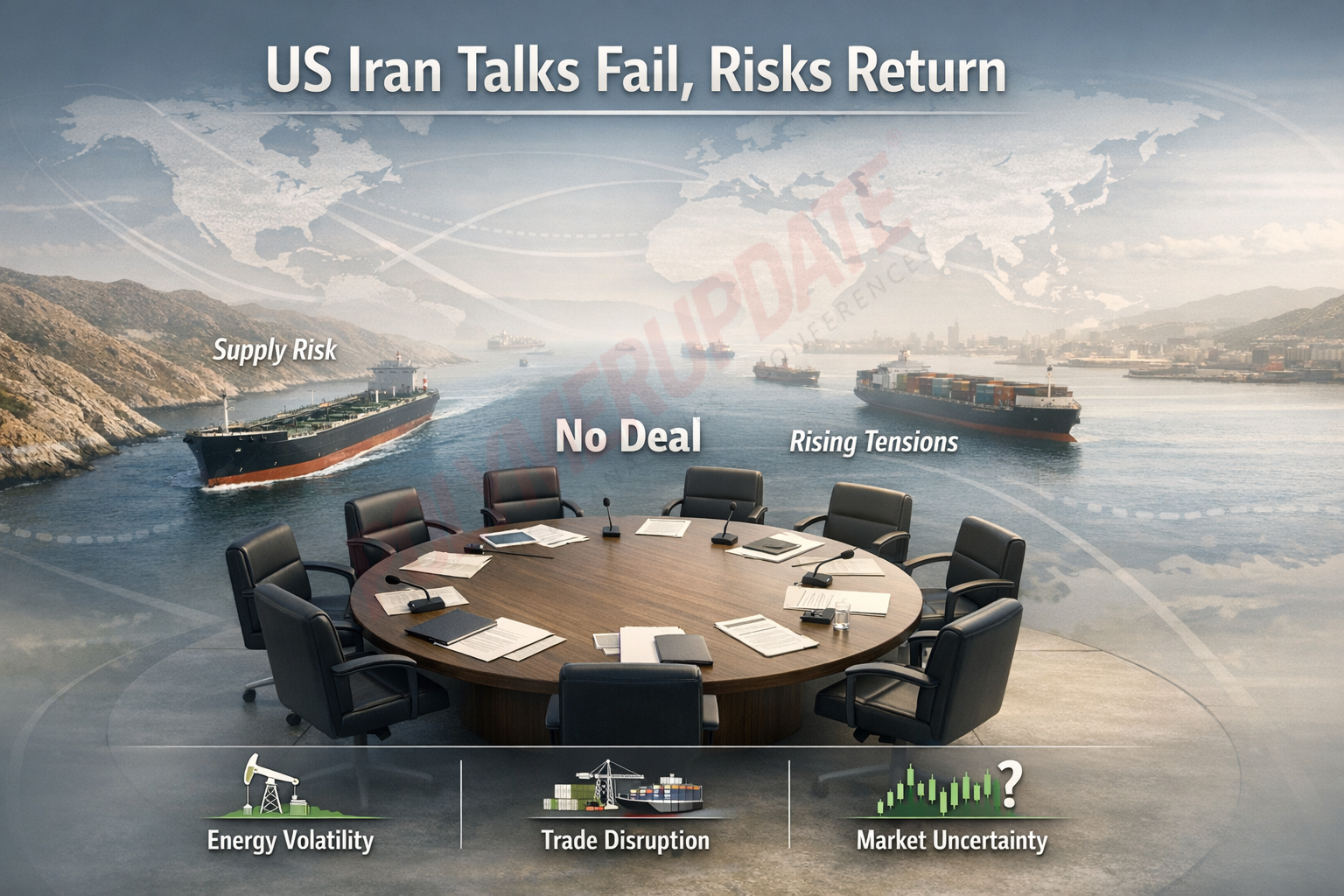 No breakthrough
Differences intensified after Israel continued its strikes on Lebanon, killing around 300 people in fresh attacks. Iran demanded an immediate halt to Israel’s operations in Lebanon and called for official control over the Strait of Hormuz, through which it could levy tolls on passing oil tankers and merchant ships. Additionally, Tehran insisted that the ceasefire be made permanent, with no future strikes, and sought substantial financial assistance from the Trump administration to help rebuild the country.
On the other hand, the United States pushed for the immediate reopening of the Strait of Hormuz, ensuring the free movement of oil tankers and merchant vessels, similar to pre-war conditions. The US also urged Iran to halt uranium enrichment and surrender its existing stockpile, a demand that Iranian negotiators rejected. Furthermore, the US delegation insisted that Iran abandon any future nuclear weapons programme or related activities aimed at producing weapons of mass destruction.
Addressing the media after the talks, Vice President JD Vance said, “The bad news is that we have not reached an agreement, and I think that’s worse news for Iran than it is for the United States of America. We return to the United States without an agreement. We have made very clear what our red lines are—what we are willing to accommodate and what we are not. I believe we were quite flexible and accommodating. The President instructed us to come here and make our best effort to secure a deal. We did that, but unfortunately, we were unable to make any headway.”
Vance further added, “We need to see an affirmative commitment that Iran will not pursue a nuclear weapon or the capabilities that would allow it to achieve one quickly. Their nuclear programme, including the enrichment facilities they had before, has been destroyed. The fundamental question is whether we see a long-term commitment from Iran not to develop nuclear weapons—not just now or in the next two years, but over the long term. We have not seen that yet, though we hope to. We are leaving with a clear proposal—our final and best offer—and we will see whether Iran accepts it.”
Iran’s Foreign Ministry spokesperson, Esmaeil Baghaei, stated, “Tehran is determined to use all available tools, including diplomacy, to secure its national interests. Iran will not forget America’s breaches of promises and malicious actions.”
Trump’s fresh threatUS President Donald Trump has issued a fresh and sharp warning following inconclusive Islamabad talks, signalling that Washington may revert to military action if diplomatic efforts fail. Even before and during the negotiations, Trump adopted a hardline stance, warning that Iran was “alive” only to negotiate and making it clear that preventing Tehran from acquiring nuclear weapons remained a non-negotiable demand.
In the aftermath of the failed talks, Trump further escalated his rhetoric, indicating that the United States is prepared to intensify pressure, including potential military measures, while also claiming significant progress in securing the Strait of Hormuz. The warning underscores a shift from diplomacy back toward coercive strategy, raising concerns that the fragile ceasefire could unravel quickly.
The renewed threat from Trump has added to uncertainty surrounding the already strained US-Iran engagement, with analysts warning that any move toward military escalation could further destabilise the region and disrupt global energy markets, particularly given the strategic importance of the Strait of Hormuz.
Israel-Lebanon talks in WashingtonA meeting between Lebanon and Israel is scheduled for Tuesday to discuss a potential ceasefire in the ongoing Israel-Hezbollah conflict, with both sides also expected to explore the possibility of initiating formal negotiations. The talks are seen as a tentative step toward de-escalation amid mounting regional tensions.
Clashes between Hezbollah and Israeli forces have persisted since March 2, just two days after the outbreak of the Iran war. The confrontation was triggered by rocket fire from the Lebanese armed group targeting Israel, carried out in retaliation for the killing of Ayatollah Ali Khamenei. Since then, the situation along the border has remained volatile, with frequent exchanges of fire.
According to Lebanon’s health ministry, the conflict has resulted in significant casualties, with at least 2,020 people killed in Lebanon so far. The toll includes 248 women, 165 children, and 85 medical and emergency personnel, underscoring the severe humanitarian impact of the ongoing hostilities.
DILIP KUMAR JHA
Editor
dilip.jha@polymerupdate.com



