The global oil market is poised to receive more than 100 million barrels of additional crude oil from the Strategic Petroleum Reserves (SPR) of International Energy Agency (IEA) member countries over the coming weeks, a development that is expected to ease supply concerns and limit further gains in crude oil prices despite escalating geopolitical tensions in the Middle East. The impending release comes at a critical juncture as renewed military confrontation between the United States and Iran has once again rattled energy markets.
The latest round of hostilities, which began 11 days ago, has effectively derailed the recently signed Memorandum of Understanding (MoU) between the two countries. The breakdown of the agreement has been accompanied by disruptions to shipping through the Strait of Hormuz, the world's most important oil transit chokepoint, reviving fears of supply interruptions from the Gulf. However, analysts believe that the coordinated release of strategic oil reserves by IEA member nations will continue to act as a powerful buffer against severe supply shortages and runaway crude prices.
 SPR release commitment
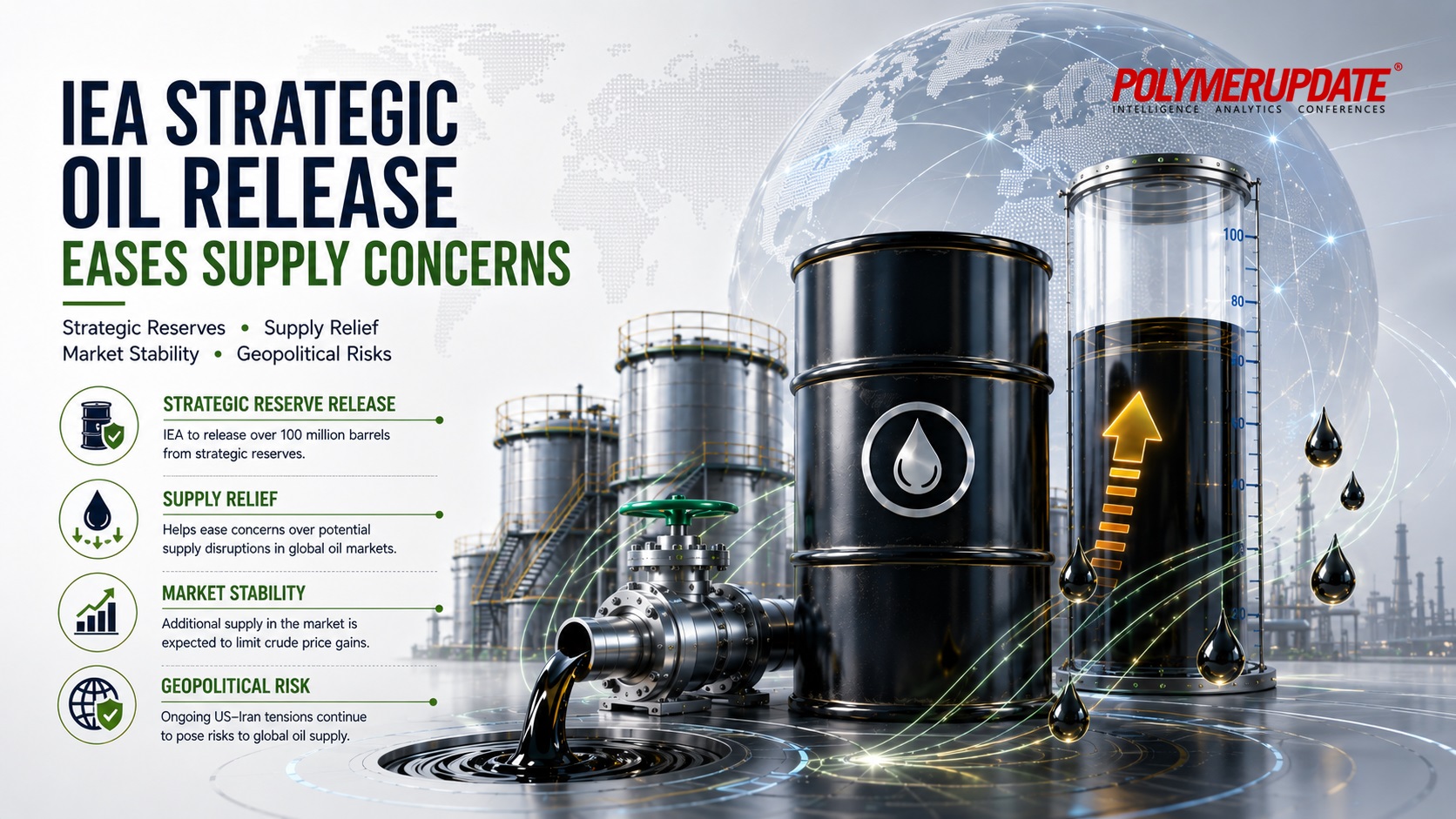
Since announcing a collective emergency action on March 11, the IEA has authorised the release of 400 million barrels of oil from member countries' strategic reserves. According to the latest available data, approximately 290 million barrels have already been supplied to the market, leaving nearly 110 million barrels yet to be released under the current commitment. The remaining volume is expected to reach international markets over the next several weeks, significantly boosting available supply at a time when geopolitical risks remain elevated.
Despite these emergency releases, IEA member countries continue to maintain substantial energy security buffers. Collectively, they still hold more than 1 billion barrels of government-controlled emergency oil stocks, providing policymakers with considerable flexibility should the conflict intensify further or disrupt supplies on a larger scale. The IEA on Tuesday reiterated that it remains closely monitoring developments in the Middle East and stands ready to respond if market conditions deteriorate further.
Hostilities threaten energy securityIEA Executive Director Fatih Birol warned that the escalation of hostilities affecting the Strait of Hormuz has heightened concerns over global energy security and increased uncertainty regarding the outlook for oil markets. He noted that growing threats to shipping through the Bab el-Mandeb Strait have further complicated the situation. The waterway has become increasingly important as an alternative route for crude exports seeking to bypass the Strait of Hormuz, making any disruption there an additional source of concern for global energy markets. Even amid rising geopolitical risks, several factors continue to cushion global crude supplies.
Major Gulf producers, particularly Saudi Arabia and the United Arab Emirates, have maintained significant export flows by maximising the use of alternative export routes that bypass the Strait of Hormuz. While Gulf exports have declined from the exceptionally high levels recorded in late June, they remain considerably above the volumes seen during the period between early March and mid-June.
Outside the Gulf, other major oil-producing nations have also stepped up exports. Increased shipments from the United States, Brazil, Venezuela and Kazakhstan have helped offset part of the supply losses arising from disruptions in the Middle East, thereby preventing a sharper tightening of global crude balances. Demand-side developments have also contributed to market stability.
Declining Chinese importsChina, the world's largest crude oil importer, has sharply reduced its purchases, with imports estimated to have fallen by nearly 50 percent from pre-conflict levels. The decline in Chinese buying has moderated global demand, easing pressure on international supplies and helping contain further price spikes despite ongoing geopolitical uncertainty. Nevertheless, the IEA cautioned that risks remain significant. Commercial crude inventories continue to decline, leaving markets more vulnerable to fresh supply disruptions.
Moreover, while crude availability has improved due to emergency stock releases, refinery operations have not expanded at the same pace. As a result, supplies of refined petroleum products such as diesel, gasoline and jet fuel remain considerably tighter than crude oil itself. This mismatch between crude availability and refined product output suggests that consumers could continue to experience elevated fuel prices even if benchmark crude prices stabilise in the coming weeks. Oil markets have witnessed extraordinary volatility since the conflict intensified.
Price surgeBrent crude futures have surged by 27.16 percent so far this month, climbing from US$ 71.57 a barrel at the beginning of July to settle at US$ 91.01 a barrel on Tuesday. The benchmark has gained nearly US$ 20 a barrel in just three weeks as traders priced in the heightened risk of supply disruptions from one of the world's most strategically important oil-producing regions. Similarly, West Texas Intermediate (WTI) crude has recorded strong gains. WTI Cushing futures have risen by 23.81 percent this month, advancing from US$ 68.58 a barrel at the start of July to US$ 84.91 a barrel on Tuesday.
The sharp rally has been driven primarily by fears that continued missile strikes between the United States and Iran, coupled with disruptions to maritime shipping, could significantly reduce crude exports from the Gulf region. Market participants, however, believe that the continuing release of strategic reserves, combined with resilient production outside the conflict zone and weaker Chinese demand, is likely to prevent a sustained supply shock.
OutlookWhile geopolitical developments will continue to dominate market sentiment in the near term, the availability of more than 100 million additional barrels from strategic reserves should provide an important stabilising influence on global oil markets. Unless the conflict expands to cause prolonged and widespread disruptions to production or export infrastructure across the Gulf, the coordinated emergency stock releases are expected to keep crude prices under pressure or at least limit further gains over the medium term, reducing the risk of another prolonged energy price shock similar to those witnessed during previous geopolitical crises.
DILIP KUMAR JHA
Editor
dilip.jha@polymerupdate.com



